Our customers trust us. Discover why.
Our platforms locate almost a billion people 24/7, enabling our 90+ customers in 50 countries to take large-scale action on public safety, marketing and advertising, connected objects for smarter cities, and innovate for the future.
Explore some of the customer achievements made possible by using our platform and out-of-the-box solutions.
Some of our prestigious clients
Success stories
Safer communities
Smarter telecoms
Context
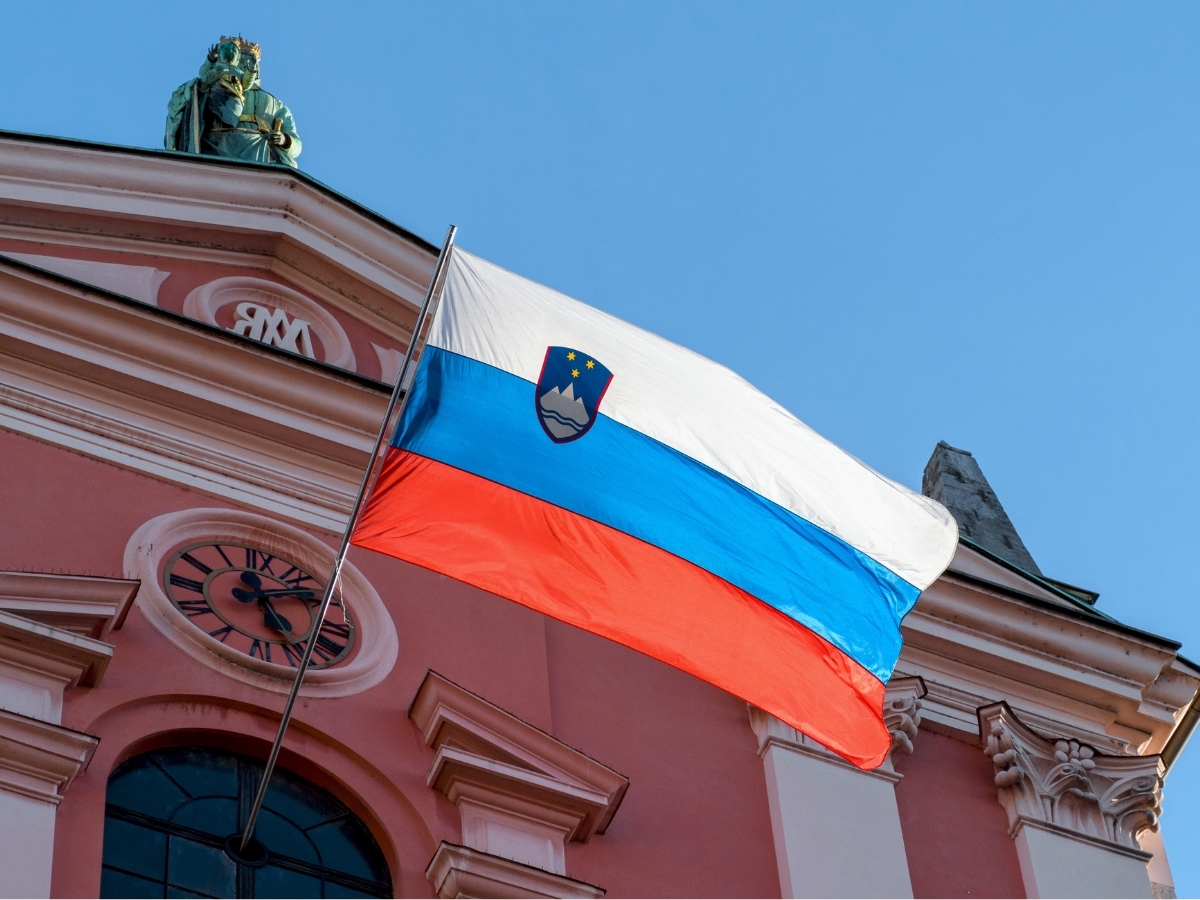
With 2.1 million citizens and 6.2 million annual tourists, Slovenia faces diverse risks ranging from floods and dense forests prone to fires to storms along the Adriatic coastline. The country is also situated in a seismically active region, making earthquakes a recurring concern, and cannot disregard the potential for terrorist threats given the surrounding political tensions. After the unprecedented floods of August 2023, when heavy rains impacted two-thirds of the country, the government committed itself to strengthening national preparedness through extensive upstream work.
In line with the EU's directive (article 110 of the EECC) to establish effective public warning systems, Slovenia decided to develop SI‑ALARM (known internationally as SI-ALERT), a nationwide emergency alert system using our Cell Broadcast technology, developed in partnership with mobile network operators Telekom Slovenije.
Solution
Cell Broadcast for immediate alerts
Intersec provided the core technology for SI-ALERT, utilizing Cell Broadcast to send alerts directly to mobile phones in targeted areas. This method ensures that messages are received instantly and reliably, even during network congestion, without relying on phone numbers or overloading the mobile network.
An 'all-hazard' preparedness approach
SI-ALERT complements the country's existing alert systems such as sirens, radio and TV broadcasts, online notices and public address systems. By integrating SI-ALERT into the country's civil protection framework, authorities now have a reliable tool for issuing urgent warnings, providing safety instructions, and coordinating responses during disasters.
SI-ALERT is designed to be activated in a wide range of emergencies, from natural disasters such as floods, fires, storms, and earthquakes, to situations involving terrorist threats, missing persons, industrial disasters, and other major public safety risks.
Multi-language support
The system was designed to display alerts in multiple languages, depending on the recipient's location and language preferences. It ensures consistent formatting and visibility across different phone models and operating systems, accommodating Slovenia's diverse population and visitors: Slovenian, English, Italian, and Hungarian.
Marko Stošicki
Project lead, Telekom Slovenije
Context
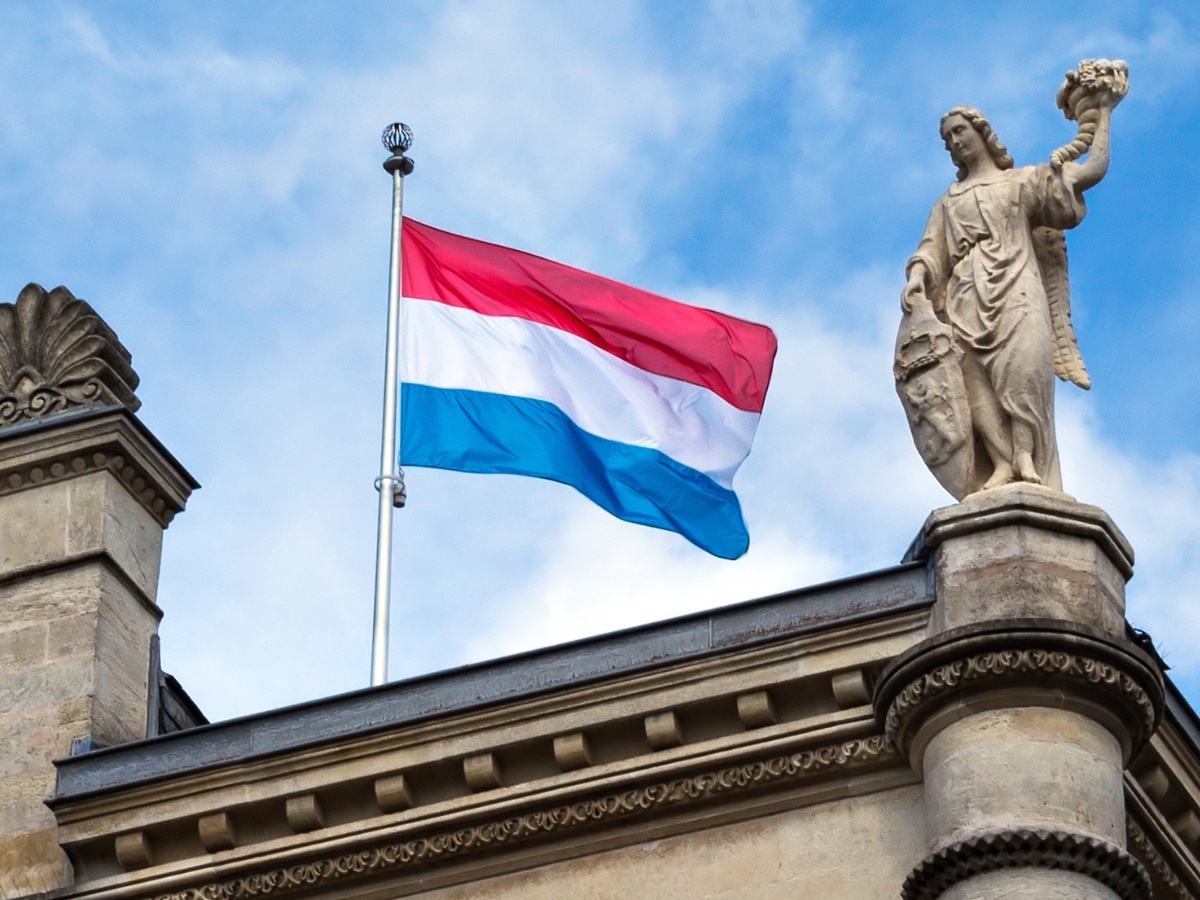
Luxembourg recognized the critical importance of an efficient public warning system to enhance population resilience and preparedness for unforeseen events.
The journey towards a modern alert system began in 2018 with the introduction of the "GouvAlert" mobile application. However, the government soon realized the need for a more comprehensive and technologically advanced solution.
In response to the European Electronic Communications Code (Directive EU 2018/1972) and its national transposition, Luxembourg's government initiated a project to overhaul its public warning system. This decision was driven by the need to adapt to modern times and leverage technological innovations for public safety.
Solution
Multi-Channel approach
LU-Alert addresses the challenge of technological integration by adopting a multi-channel approach. The system incorporates:
- A new mobile application
- Location-based SMS
- Cell Broadcast technology
- A dedicated website
- Integration with existing emergency services websites
This diverse range of channels ensures that warnings can reach the population through various means, maximizing the system's effectiveness.
Customizable user experience
To enhance accessibility and user engagement, the LU-Alert mobile application allows users to customize their alert preferences. Users can choose specific categories and alert levels, define places of interest, and opt for geolocation-based alerts. This personalization makes the system more user-friendly and relevant to individual needs.
Privacy-centric design
LU-Alert has been designed with privacy in mind. The system does not collect personal data when triggering location-based SMS alerts. For the mobile application, users have control over their data sharing preferences. This approach ensures compliance with data protection regulations while maintaining the system's effectiveness. Public authorities who initiate the message sent via LU-Alert do not collect, record, store, retain, use, or consult any personal data. Only mobile operators have access to personal data and process it for the transmission of messages through their equipment, in accordance with the contracts they have with their customers.
Léon Gloden
Minister for Home Affairs of Luxembourg
Context
Since June 2022, the European Electronic Communications Code (EECC) Article 110 requires all EU countries to operate a public warning system that can send geo-targeted emergency alerts to all mobile users located in the affected area in case of an emergency.
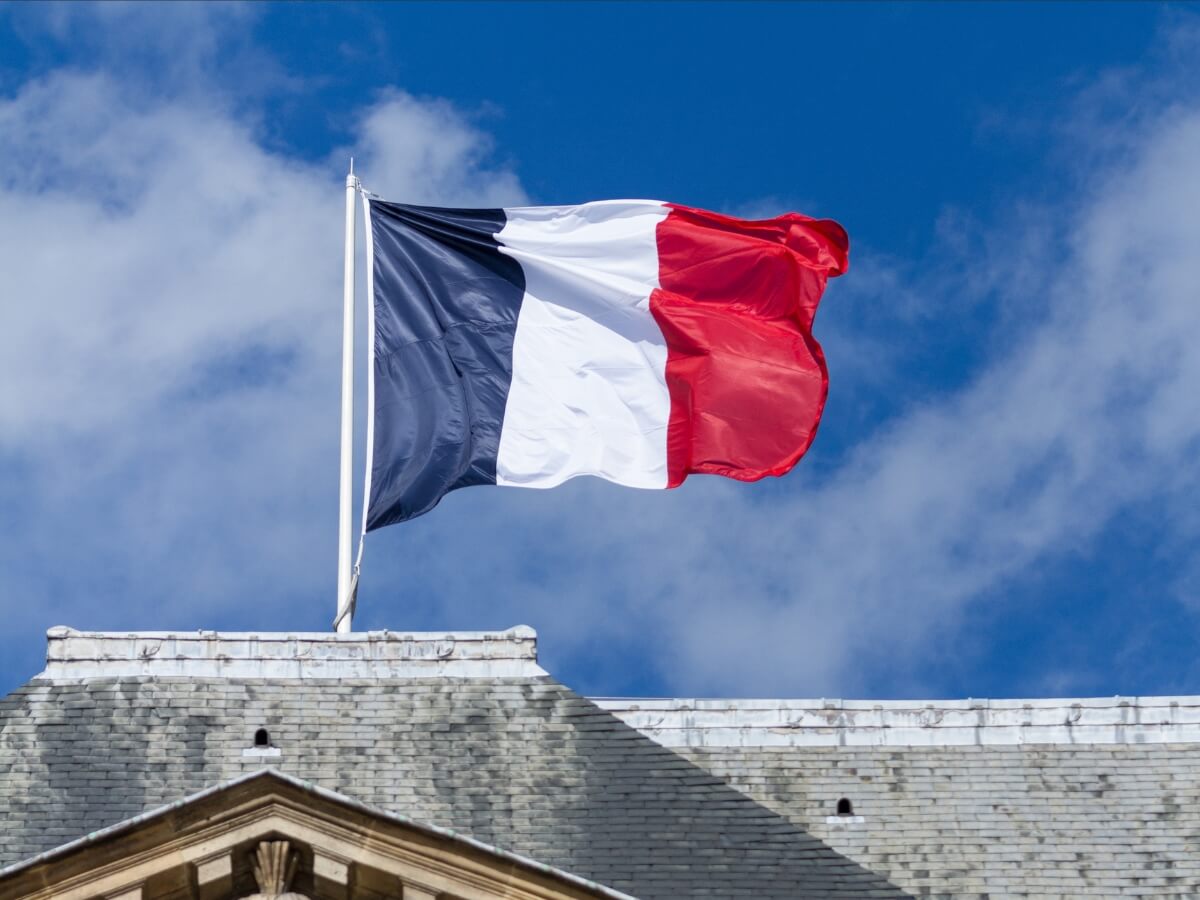
Progressing on technology transformation, the French Ministry of the Interior, alongside the three major national mobile operators – Orange, Bouygues Telecom, and SFR – selected the Intersec public warning solution to implement a fully integrated alerting architecture for the years to come.
Solution
-
100% coverage of cell phones in use in metropolitan France and French overseas territories (more than 80 million units)
-
Multi-channel portal combining all alerting media: Cell Broadcast, Location-Based SMS, sirens, social media, websites… and ready to integrate with Galileo
-
Tactical management of a crisis with real-time population heatmaps, retargeting capabilities, and highly contextualized communications
We were attracted by the completeness of the Intersec solution, by its experience in delivering messages on a very large scale depending on the real-time location of recipients, and by the willingness of its teams to keep this solution at the cutting edge of technology over the years to come.
Romain Moutard
Director of the FR-Alert program
Context
Article 110 of the European Electronic Communications Code (EECC) mandated all EU countries to operate a public warning system that can send geo-targeted emergency alerts to all mobile users located in the affected area in case of an emergency.
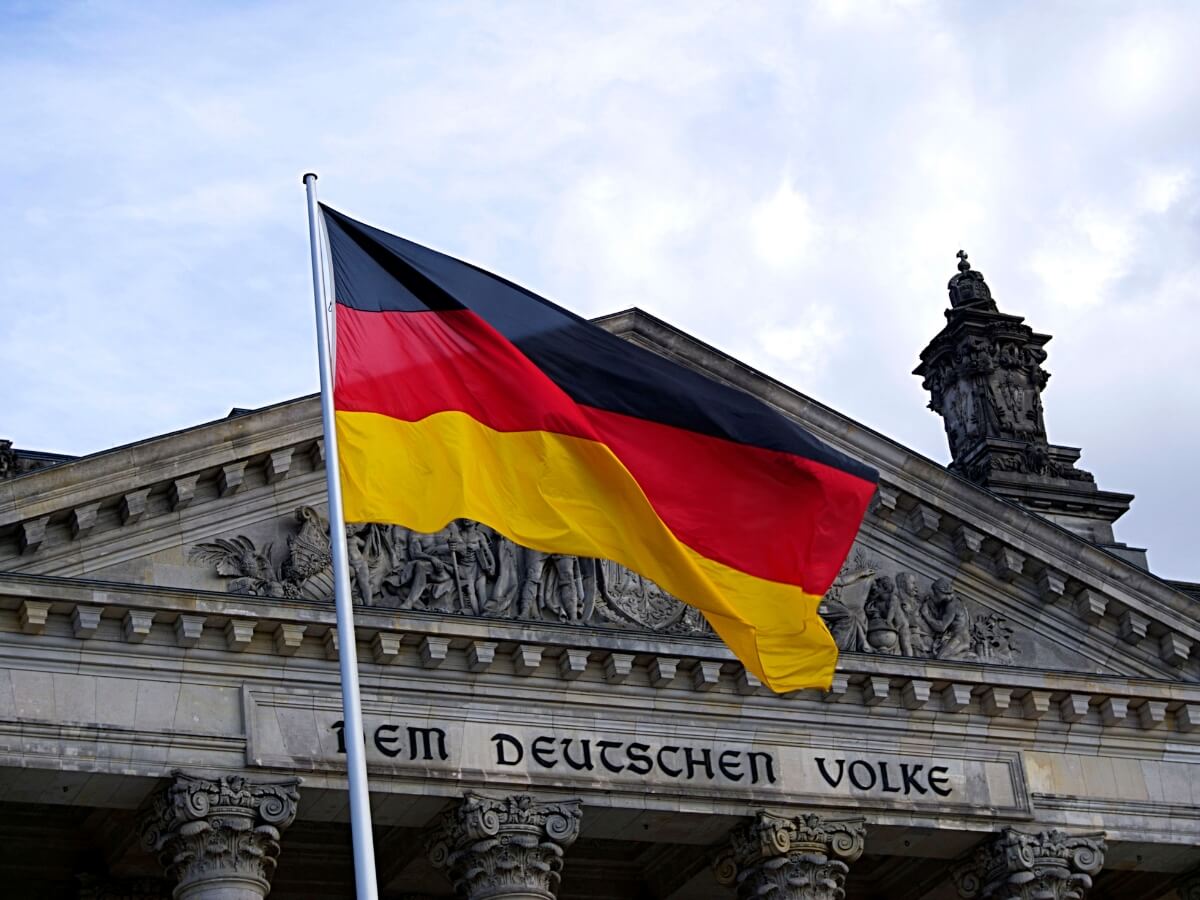
Telefonica O₂ Germany was looking for a partner able to deploy Cell Broadcast technology in a collaborative manner, in full compliance with data privacy regulations, and in alignment with the EECC requirements.
Solution
-
As the European Union's leading public warning system provider and with 20 years of experience in the telco industry, Intersec had demonstrated its ability to deploy nationwide public warning systems at Tier-1 operators
-
Intersec partnered with Telefónica Ingeniería de Seguridad (TIS) to ensure seamless and smooth integration in record time
-
On 2022 Nationwide Alert Day – Warntag – Telefonica successfully broadcasted two alert messages - in German and in English – from the Federal Office for Civil Protection and Disaster Relief in just a matter of seconds, confirming the high-end performance of the solution
The high level of expertise and experience of the Intersec professional services team enabled a smooth integration in record time. This success is a testament to the relevance of this partnership, where Intersec's expertise and ours work together in the best possible way.
Victor Fortes
IT Project Manager, Telefonica
Context
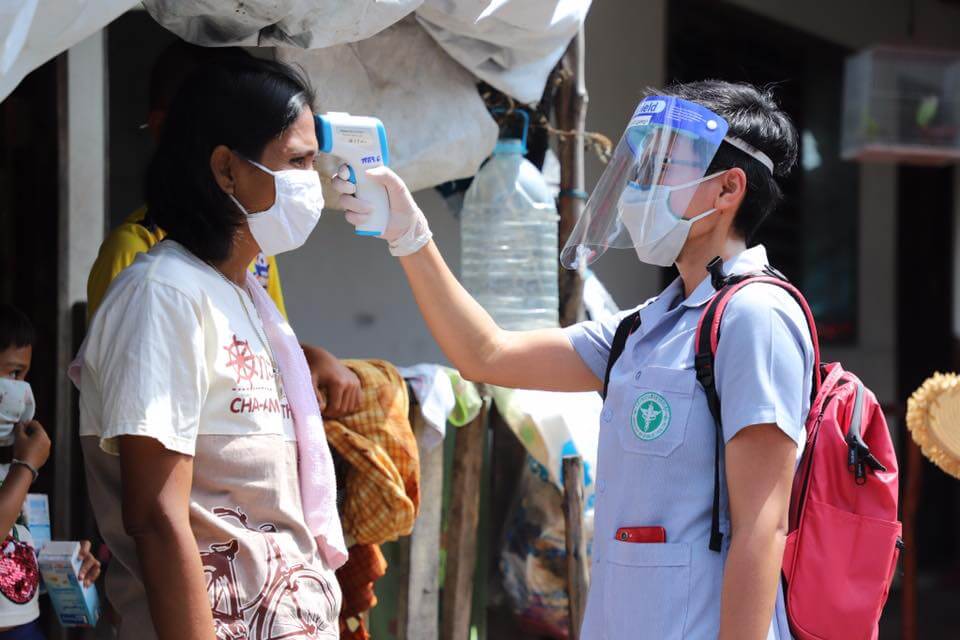
Epidemic clusters had become a challenge for disease control, becoming a serious burden for hospitals. The challenge was to get stakeholders involved as quickly as possible and be able to communicate in real-time regarding the incident thanks to situational awareness via density maps and other means.
To be the most effective in preventing further spread, the data has to be low-latency, real-time data, which shows how these anonymous mobile phones are moving, and to immediately and proactively determine the location hubs of increasing population density.
Solution
Mobility data-based tools allow authorities to automatically determine where large gatherings were forming via the geographic density of the mobile phone locations. The Intersec fast data capabilities overcame all technical challenges around the anonymous tracking and tracing at scale:
- Performing event stream processing on 500,000 anonymous location events every second for over 30 million mobile phones
- Visualization, in real-time of subscribers from a local to a national scale, with heatmaps/choropleths
- Making a dataset of 2 petabytes of reference data and historical data available for further analysis and investigation with ultra-low latency, on the order of milliseconds
- Scoring: a rating scale to identify the at-risk populations
- Prediction: insights utilized to predict scenarios, decide where to send medical staff, identify people likely to get sick, and streamline medical operations
As a result of our use of the Intersec platform, we have been able to provide the Asia-Pacific authorities with instantaneous, precise location data that saves lives and prevents additional evolution of the pandemic.
Pedro Uria Recio
Chief analytics & AI officer
Context
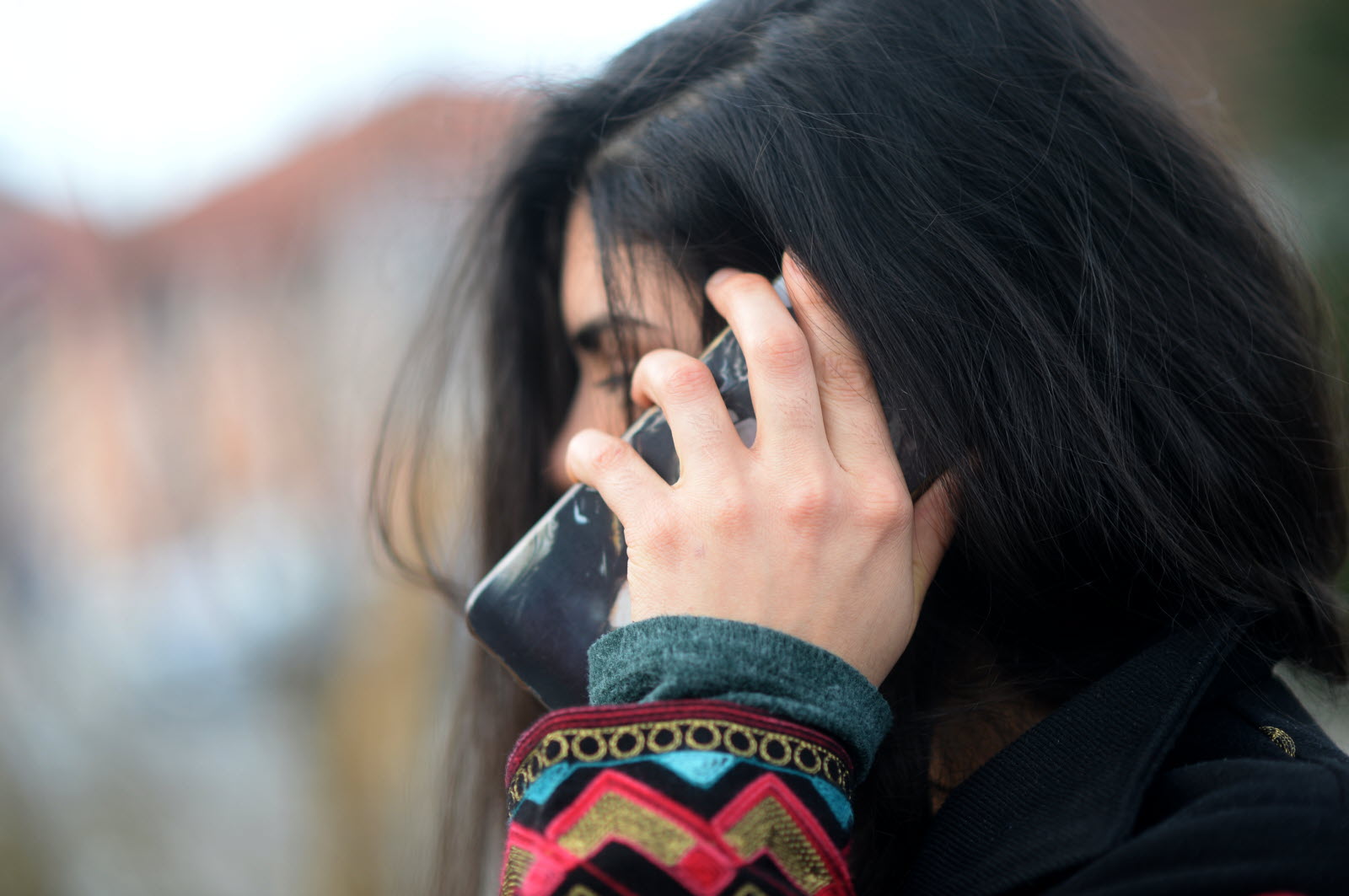
The Téléphone Grave Danger (TGD) is a system set up by the Ministry of Justice to help victims of domestic violence in less than seven minutes. Equipped with an alert button, the TGD can be used to alert national police and gendarmerie units 24 hours a day, 7 days a week. Article 41-3-1 of the French Code of Criminal Procedure allows the caller to be geolocated when the alert is triggered.
Solution
-
All the victim has to do is press the emergency button to alert emergency services. There's no need to call 17, wait, or even speak. Intersec's platform, integrated into Orange's network architecture, instantly provides the victim's geolocation.
-
Intersec's solution then forwards the precise, complete geolocation information in real time to the relevant emergency services (nearby police and gendarmerie) so that they can intervene without delay. This rapid response protects victims and can save lives.
-
The courts decide on the allocation of these phones, and hand them over to the people concerned. The system has proved its worth, and the number of TGDs allocated is increasing every year: 300 in 2019, 727 in 2020, 3,500 in 2022, and almost 5,000 in 2024.
We have an individual and collective responsibility to protect victims of domestic violence. We continue to work together to improve our operations and strengthen the involvement of our technological partners.
Laurent Combet
Senior Manager
Context
Orange Guinea is the leader in its territory, with more than 60% of the market share. Since 2013, the marketing team has been working with Intersec to conduct marketing campaigns to its subscribers’ base, with the same ongoing goals: more optimized, more effective.
Solution
The support from Intersec's team has enabled Orange Guinea to optimize campaigns, gain efficiency and reallocate time to strategic initiatives. From the very first months of use, the share of revenue attributed to their activities has increased significantly, positioning this branch as one of the best performing in the MEA zone. The key to success lies in the continuous optimization of campaigns.
With the target optimization feature, marketing teams can refine the appetence score, optimize adoption and avoid revenue cannibalization. Knowing exactly when to engage with subscribers maximizes response & engagement rates, alongside preventing churn. A campaign that uses the target optimization capabilities improves the conversion rate by more than 5%.
For years, Intersec's marketing solution and the strategic & tactical support we have received have enabled us to make great achievements, to focus more on strategy and to demonstrate a direct and growing contribution to Orange Guinea's revenues.
Nene Hadiatou Bah
CVM & Loyalty Manager, Orange Guinea
Context
Cookies are scheduled to be phased out by 2024, so marketers are starting to leverage users’ data in privacy-compliant ways by collaborating with telcos. True Digital, a multinational technology company with headquarter in Bangkok, monetizes its data as an insightful and privacy-respectful option in the post-cookie world.
Solution
True Digital has been using Intersec’s platform to enhance their micro-segmentation capabilities and label all their subscribers with 400+ tags: demographic, geographic, behavioral, and interest-based.
This segmentation has proven extremely useful in:
-
Addressing the needs of enterprise clients who want to advertise on high-engagement channels (SMS, video streaming, e-wallet apps…)

-
Increasing customer engagement since the telco can use real-time triggers to decide the best moment to interact with the customer
-
Conducting footfall and mobility analyses leveraging the location technologies of the platform, combined with their micro-segmentation labels, helping businesses make better location decisions (e.g., where to open a branch, shop…)
Telcos are one of the best options for data partnerships. Thanks to telcos’ vast amount of data and high-engagement channels, they can roll out cookie-free and privacy-friendly data-driven solutions for advertising, credit risk and intelligence.
Pedro Uria Recio
Chief analytics & AI officer
Context
Through its cell phone network, SFR can report on the movements of 21 million cell phones in France. The data is collected 24/7, and the studies produced are anonymized in order to guarantee the respect and protection of personal data, in accordance with GDPR standards.
Based on this data, SFR Geostatistics offers actors in the tourism and transportation industries and local authorities the opportunity to carry out statistical studies based on reliable data which, when extrapolated, retrace the movements and frequentation of users on a national scale, in order to gain a better understanding of their territory and thus make strategic decisions with complete confidence.
Solution
Intersec's GeoInsights solution provides :
- a solution for collecting and storing metadata extracted from SFR's cell phone network over a 12-month period
- big data algorithms specialized in the processing of mobile geolocation data, allowing extremely fast and efficient exploitation of very large volumes of input data to produce synthetic statistical indicators on a recurring basis or on demand
- a library of predefined business indicators, with management rules adapted to geographical issues, allowing the restitution of indicators of frequentation, travel, etc.
- a robust technical solution for the technical management of the server cluster
SFR Geostatistics can thus calculate numerous indicators adjusted to the entire population of 11-79 year olds, which reflect the frequentation, flows and behavior of the populations on the French territory:
- indicators of attendance, flows, length of stay, etc.
- the level of detail required (time slot, CSP...)
- administrative areas (EPCI, departments, regions, etc.)
- the study period, with the possibility of comparing with historical data calculated since 2019
Beyond its fast data capabilities, the strength of GeoInsights lies in its openness and modularity: users can indeed develop their own custom indicators and benefit from management rules specific to each use case.
Loïc Lelièvre
Big Data and Data science project manager
Key numbers
Get started with Intersec
We help telcos and public authorities embrace the digital revolution as we believe data transform the way our customers work.